Artificial Intelligence has come a long way since its humble beginnings. Picture this: it all started in the 1950s when a group of scientists sat around, curious about machines that could think like humans. They wanted to create computers that could learn and solve problems, just like we do. Sounds pretty ambitious, right?
One of the key moments was the Dartmouth Conference in 1956, where the term "artificial intelligence" was officially born. Think of it as a gathering of some of the brightest minds who believed that machines could be made to think. They kicked off a journey that would change technology forever.
In the early days, progress was slow. Engineers created simple programs that could do tasks like play checkers or solve math problems. These machines had a lot of limits, but the idea was planted. As computers got faster and more capable over the decades, the dream of smarter machines grew.
The 1980s and 90s brought about a burst of innovation thanks to advances in algorithms and computing power. People started to see real potential. AI became more than just theoretical ideas. It was beginning to creep into everyday life, from language translation to medical diagnosis.
Fast forward to today, and AI is popping up everywhere—from virtual assistants on our phones to recommendation systems on shopping websites. It’s exciting to think about how far we’ve come and how AI continues to evolve and change the way we live and work.
Key Innovations That Shaped AI
When we talk about the rise of artificial intelligence, key innovations come to mind that really got things moving. First up, there’s the invention of neural networks. Think of them as the brain of AI. They mimic how we think and learn. This early work paved the way for machines that can recognize patterns, understand speech, and even play games like a pro.
Then, around the early 2000s, machine learning took off. This is where computers learned from data without being told exactly what to do. Imagine giving someone lots of examples and letting them figure things out—it’s like teaching a child how to ride a bike by letting them practice. Suddenly, AI started getting smarter and more efficient at handling tasks, making everything from chatbots to recommendation systems possible.
Deep learning came next, and it was a game changer. By using multiple layers of neural networks, deep learning helped computers understand complex data like images and videos. This means AI can now recognize faces in photos, translate languages on the fly, and even help drive cars. The advancements came fast and furious, and the tech community was all abuzz.
Don’t forget about natural language processing (NLP). This is the branch that helps machines understand and generate human language. Ever used a voice assistant or chatted with an AI online? That’s NLP in action. It enables more natural interactions between humans and machines, breaking down barriers and making AI accessible to everyone.
Influential Figures in AI History
When you think about AI history, a few names really stand out. These are the trailblazers who shaped how we see and use artificial intelligence today. First up is Alan Turing. He’s often called the father of computer science. Turing proposed the famous “Turing Test,” which checks if a machine can think like a human. His ideas were groundbreaking and laid the foundation for what AI could become.
Then there's John McCarthy, who coined the term "artificial intelligence" in 1956. That’s a big deal! He organized the Dartmouth Conference, bringing together some of the brightest minds in computing. This event kicked off years of research and development in the field. McCarthy also developed the LISP programming language, which played a huge role in AI programming.
Don't forget about Marvin Minsky, another pioneer in AI research. He co-founded the MIT AI Lab and made significant strides in understanding how machines can learn and adapt. Minsky's work helped push the boundaries of what AI could achieve, making it more accessible and practical.
Lastly, we have Ada Lovelace, who, although not specifically an AI pioneer, set the stage for computing with her notes on Charles Babbage’s Analytical Engine. She recognized that machines could do more than just calculations. Lovelace’s vision hints at the creative potential of AI, influencing many later thinkers in the field.
Early Applications of Artificial Intelligence
Artificial intelligence isn’t just a buzzword of today. It’s been around for a while, diving into various fields since its early days. One of the first big applications was in gaming, where computers started to play chess. In the 1950s, researchers like Alan Turing were working on algorithms that could simulate human thinking. This was a huge deal, changing the way we thought about machines and intelligence.
Another interesting area was in problem-solving. Back in the 1960s, programs like the Logic Theorist could prove mathematical theorems. These early problem solvers laid the groundwork for what we now use in AI-driven software. They showed that machines could tackle complex challenges and even come up with new solutions.
Natural language processing, often called NLP, also got its start early on. In the 1960s, programs like ELIZA chatted with users, using simple scripts to mimic human conversation. It was basic, but it sparked excitement and curiosity about how machines could understand language, something we rely on every day now.
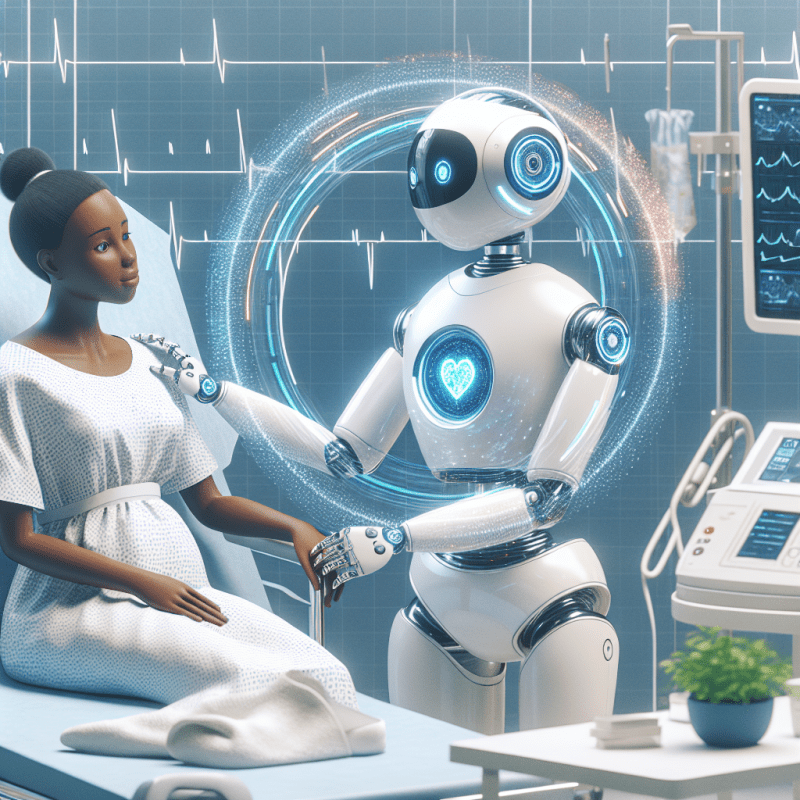
In healthcare, AI made its mark by helping with diagnostic processes. Programs developed in the '70s could assist doctors by analyzing medical data. This was a game-changer, streamlining the way information was processed and improving patient care long before AI became mainstream.